Boxabl Site Prep & Utilities: The Orange County Owner’s Guide
Boxabl site prep and utility installation in Orange County typically runs $28,000 to $75,000 depending on soil conditions, utility distances, and whether your lot is flat or sloped. We keep the most common Boxabl-specific site components and utility connection hardware in stock, and we can usually complete the foundation and utility rough-in within two to four weeks of permit approval. Most Orange County owners discover they have a site prep problem after their Boxabl order is already in production, and the clock is ticking on finding someone who understands the unit’s exact tie-down and connection requirements.
What usually happens is this: you order the Boxabl, you get the site plan, and then you realize your lot needs grading, a retaining wall, a longer sewer run than the standard allowance, or upgraded electrical service. That’s the moment the generic “site prep” quote becomes a real construction project, and it’s the moment Boxabl owners in Orange County call us to sort out what actually needs to be done versus what can wait.
Key Takeaways
- Boxabl site prep in Orange County costs $28,000-$75,000 installed, with most lots landing around $42,000-$55,000.
- You’ll need permits through your city’s building department before any grading or utility work begins.
- The two biggest cost drivers on a Boxabl site are soil conditions and how far your utilities are from the hookup points.
- Sutton ADU Orange County is an independent contractor, not affiliated with Boxabl, but we have direct experience with Boxabl site plans, tie-down specs, and utility rough-in requirements.
Which Boxabl Models This Applies To
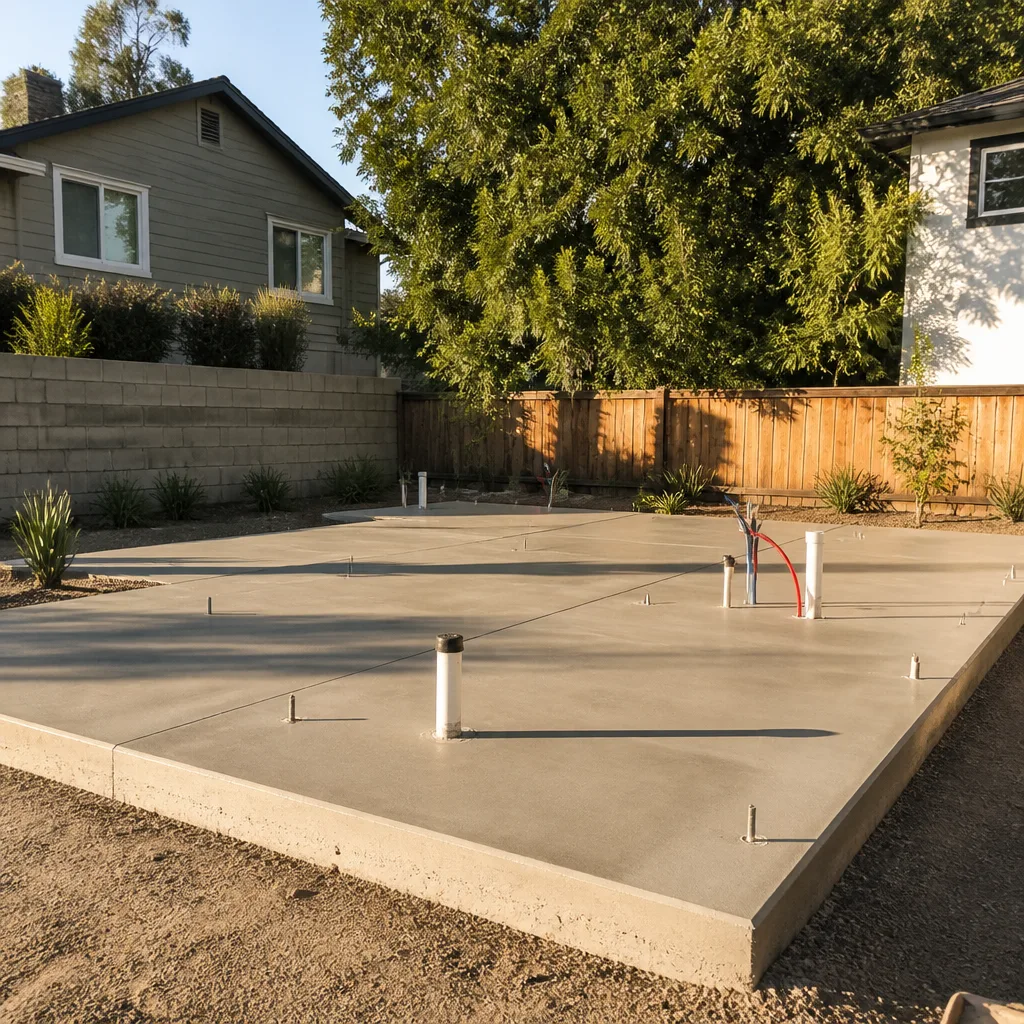
This guide covers site prep and utilities for the Boxabl Casita, which is the single model Boxabl currently ships to Orange County homeowners. The Casita is a 20-foot by 20-foot module with a fixed overall footprint of 400 square feet, and that consistency is actually a gift when it comes to site prep. Because the dimensions never change, the foundation and utility rough-in work follows the same pattern on every single project. You’re not chasing variables like you would with a custom stick-built ADU.
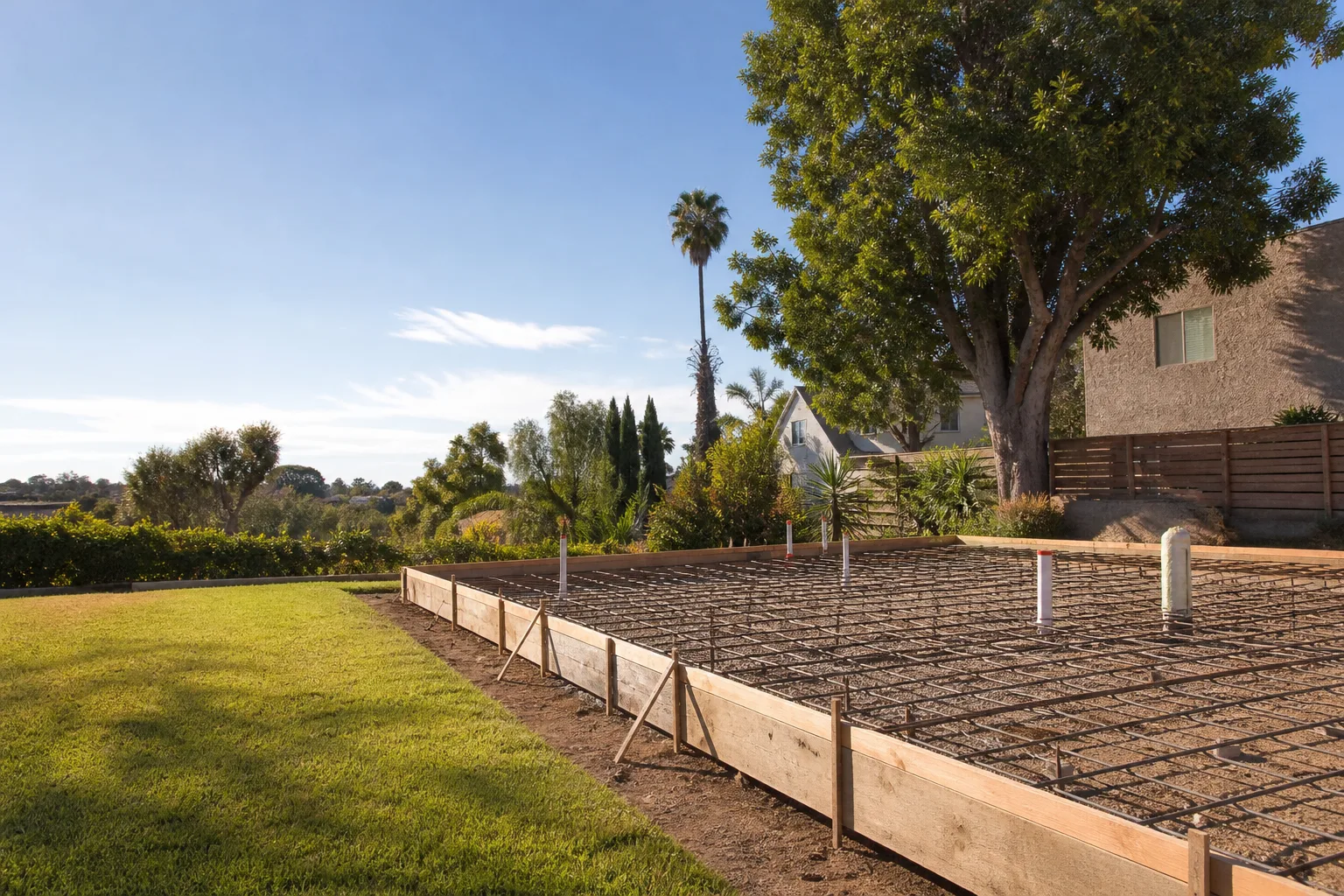
The compatibility gotcha that catches Orange County buyers off guard is the unit’s weight distribution. A Boxabl Casita arrives on a specialized trailer and is craned or rolled onto its foundation, which means the pad or pier layout has to be dead level and engineered for a concentrated load at the lifting points. Your site isn’t like a conventional ADU pad where minor variations get absorbed by framing. With a Boxabl, the unit sits down all at once, and if the pad is off by even an inch and a half in the wrong spot, you’re chasing problems that no utility connection will fix. We verify pad level to within a quarter inch across the full 20-foot span before the unit ever leaves the factory staging area.
For the OEM versus aftermarket decision, there’s really no such thing as OEM site prep. Boxabl ships the unit; the ground it sits on belongs to you. The utility hardware we use is standard in the trades and specified by Orange County building code, not by Boxabl. Electrical panels, conduit, sewer line, water service, and the concrete or pier foundation system are all local-code items. What makes the work “Boxabl-specific” is understanding the connection points and load specs of the Casita itself, and that’s the experience we bring from having completed multiple Boxabl installations across Orange County.
Signs Your Boxabl Site Prep & Utilities Is Failing
Site prep and utilities don’t fail suddenly the way a broken appliance does. They fail quietly, and usually after the unit is already sitting on the ground and in use. Here are the five most common signs we respond to in Orange County:
- Doors start sticking or binding within the first year. This is almost always a sign the pad has settled unevenly or the pier spacing wasn’t adequate for the load. The Boxabl’s rigid frame transfers every millimeter of settlement directly to the door and window openings.
- Waste line drains slowly or gurgles when a sink or toilet flushes. In Orange County’s clay-heavy soils, you need the fall on the sewer lateral to be precise. If it’s too flat or has a belly, you’ll get slow drainage that gets worse as sediment builds up.
- Water pressure fluctuates when multiple fixtures run at once. A Boxabl has the same plumbing demands as a small apartment, and if the water service line was undersized to save money, you’ll feel it every time the washer runs while someone showers.
- Exterior electrical panel trips during the summer heat. The Casita ships with a specific expected load, and when Orange County summer temperatures push the mini-split hard, an undersized panel or a loose utility connection shows up as nuisance tripping.
- Standing water collects near the unit after rain but drains slowly. This points to a grading problem rather than a foundation problem. You need positive drainage away from the unit on all four sides, and in areas like Irvine and south county, the silty loam requires more slope than most people expect.
Replacement Cost & What’s Included
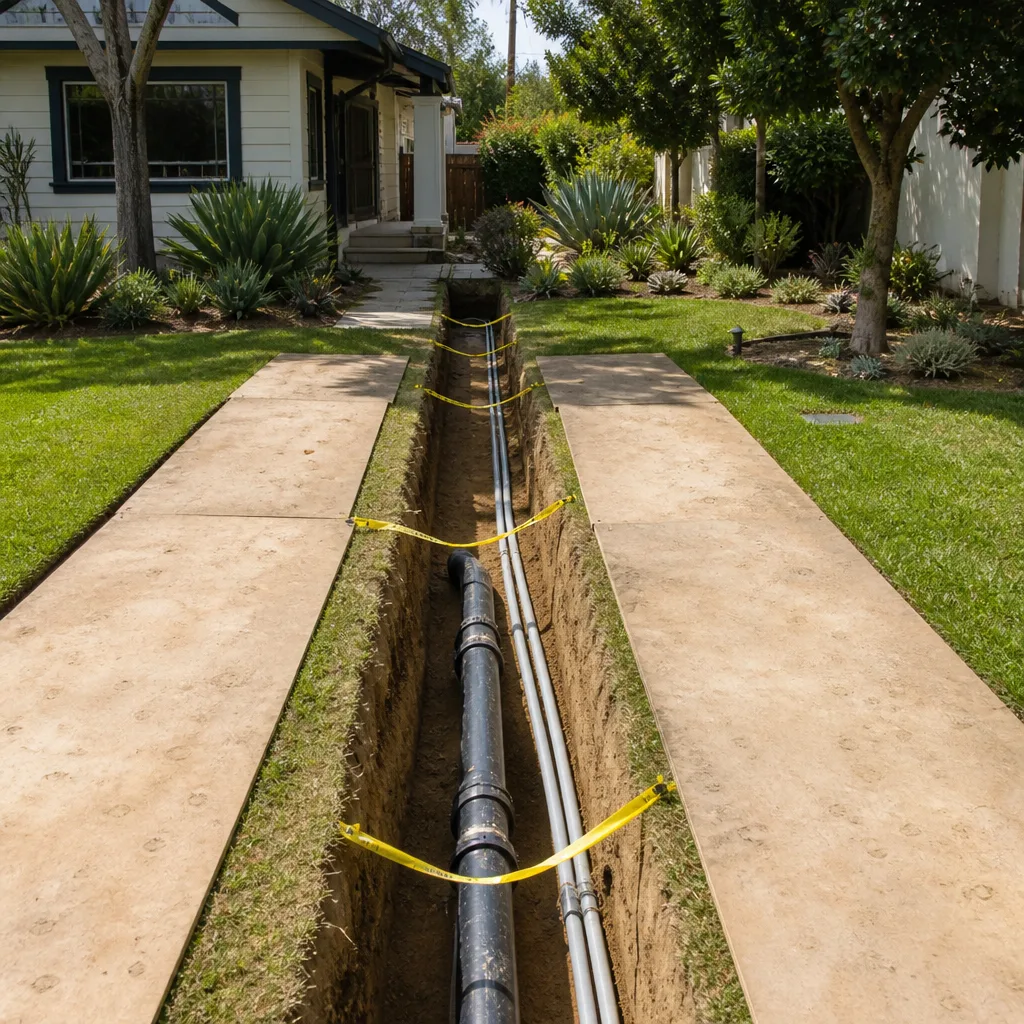
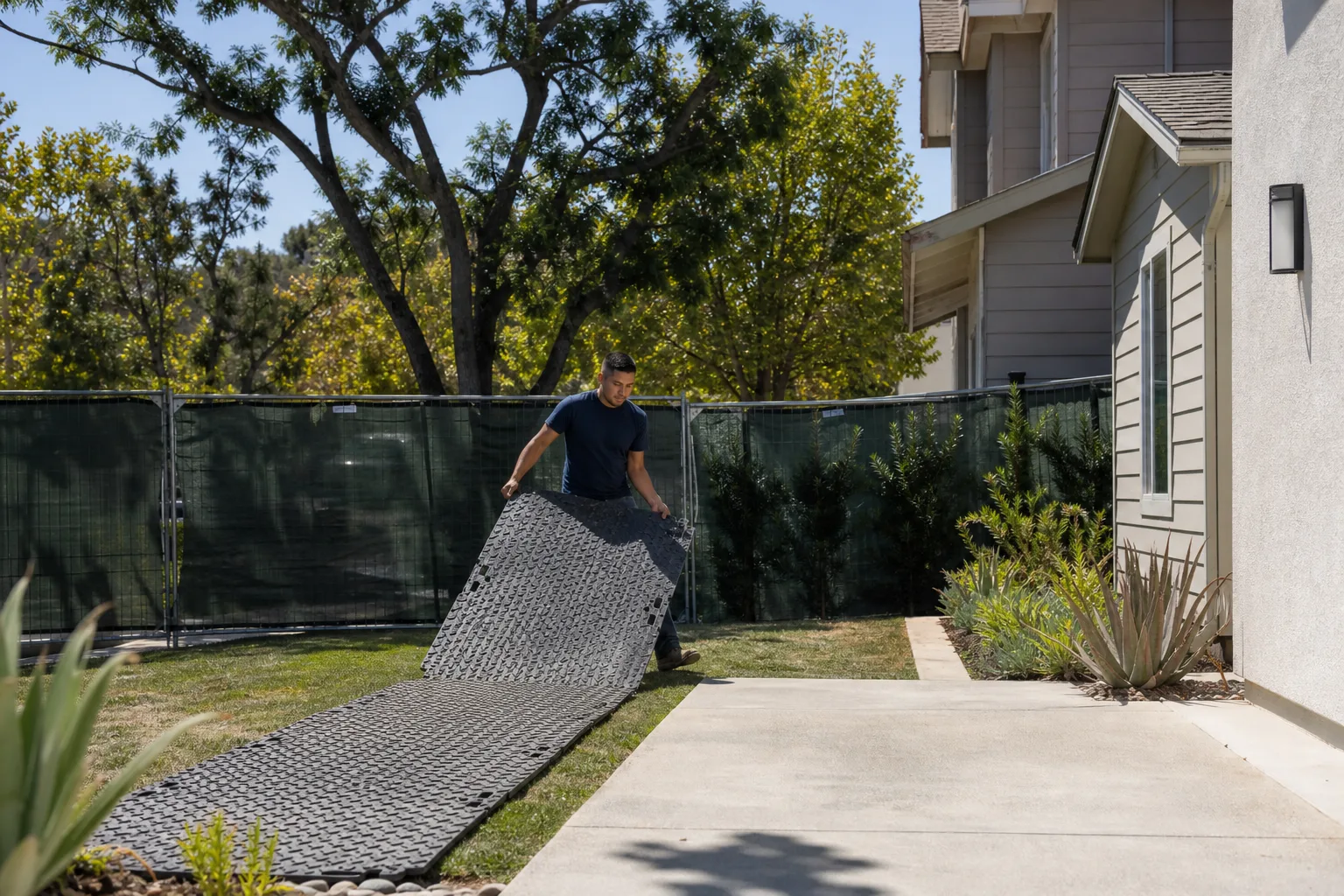
For Orange County Boxabl owners, full site prep and utility installation runs $28,000 to $75,000. A straightforward lot in places like Garden Grove or Santa Ana where the ground is already fairly flat and the utility connections are close to the street usually lands between $28,000 and $38,000. A sloped lot in Anaheim Hills or parts of Fullerton that requires grading, a retaining wall, and long utility runs can push past $60,000, and if you need major soil remediation or imported fill, you’re looking at the $75,000 range or above.
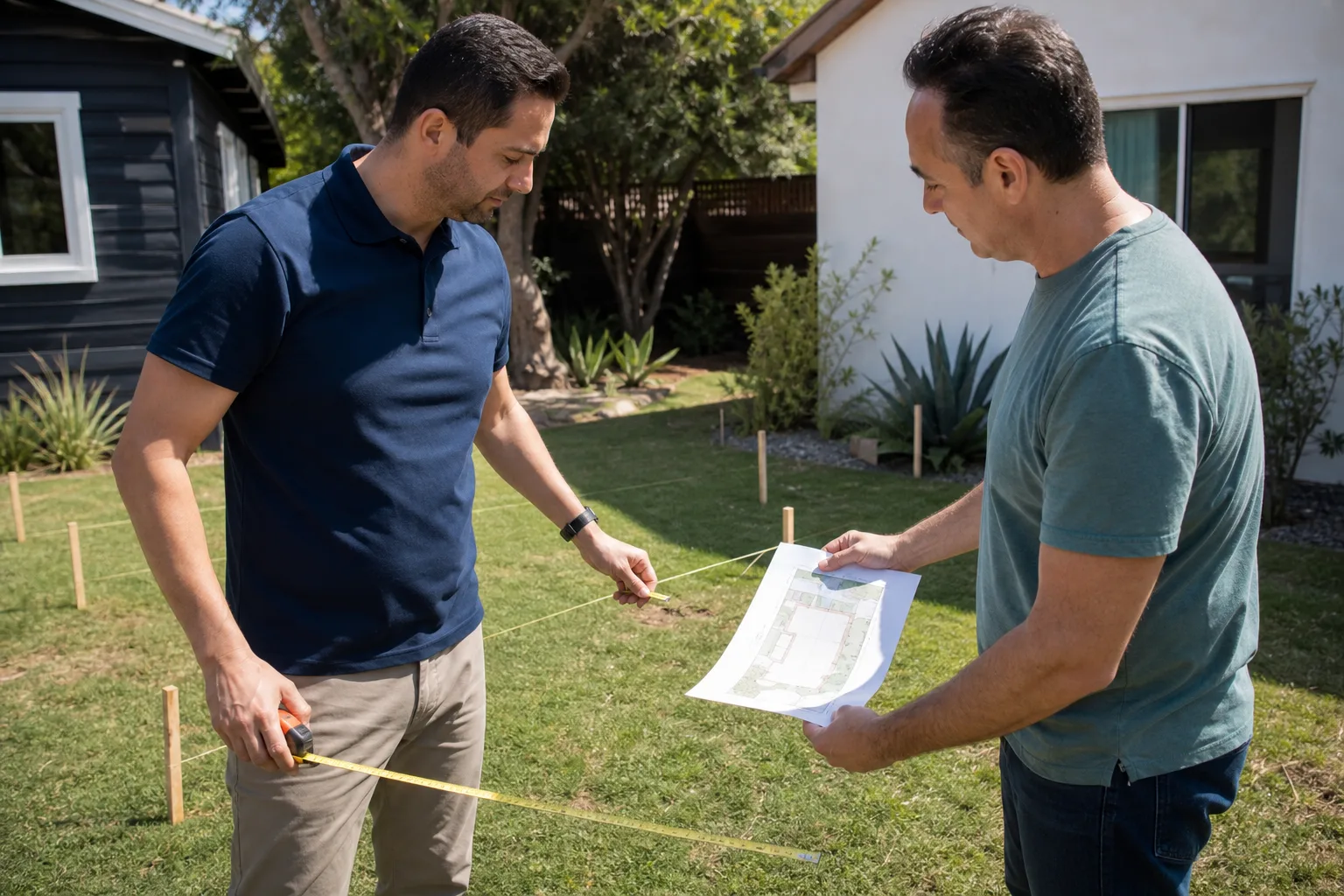
Every quote we write shows you the breakdown: grading and excavation, foundation or pier system, sewer lateral, water service, electrical service and panel, trenching, backfill, compaction, and the final site inspection. You see parts and labor as separate line items, and the price we give you is the price you pay. If something changes on site, we tell you before we do the work, not after you get the bill. Our 365-Day Done Right Promise covers the workmanship on all site prep and utility work for a full calendar year after completion. If something settles, shifts, or fails within that year, we make it right at no charge, and that guarantee is in writing on every project.
DIY or Call Us?
There are things you can safely check on your own. Walk the unit’s perimeter after a rain and watch where the water goes. Look at the grade around the pad and see if soil has pulled away from the edges. Check your panel for scorch marks or a burning smell. These are observations, not repairs, and they’re genuinely useful information when you call us.
What you should not do yourself is any work involving high-voltage electrical service, gas line connections if your Casita uses gas, or excavation deeper than about a foot. Orange County has buried utilities everywhere, and hitting a gas line, a water main, or a buried electrical feeder during an afternoon DIY project is a fast way to turn a manageable repair into a call to 911. We handle the dangerous work with the right equipment, the right permits, and a crew that’s background-checked, identity-verified, and photo-badged under our Threshold Verified standard. When you call us at (350) 209-9049, we’ll send someone out to look at your site, explain exactly what’s wrong, and put a written number in front of you before any shovel touches dirt.
FAQs
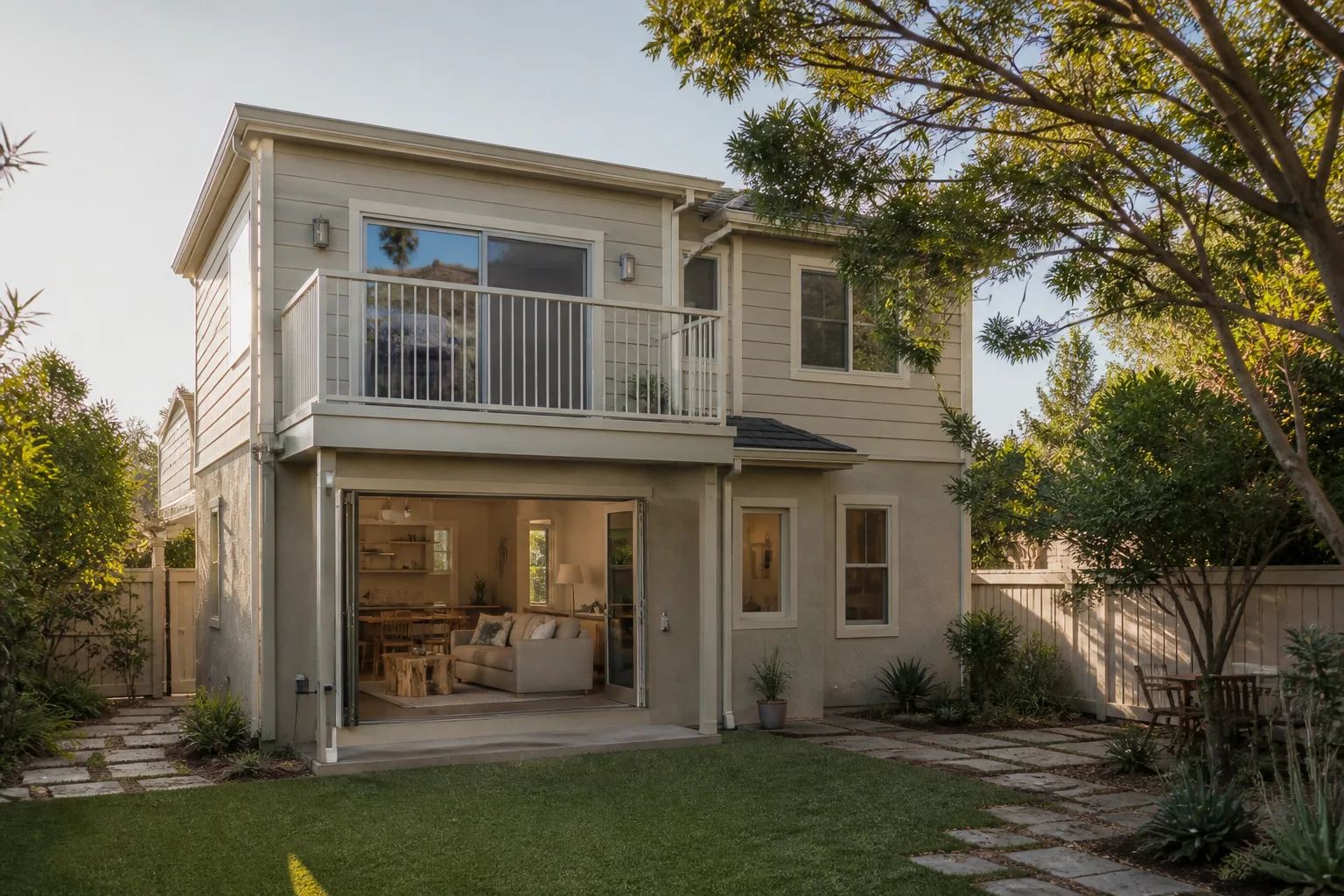
A properly installed Boxabl pad and utility rough-in should function without any repair for 25 to 30 years, which is the realistic service life of the concrete, compacted base, and buried utility lines we install. The variable in Orange County is soil movement. Parts of Anaheim Hills and the eastern canyon areas see more seasonal ground movement than the coastal plain, which is why we overbuild the base in those areas. Call (350) 209-9049 and we’ll tell you what your specific neighborhood typically requires.
Yes, in most cases a selective repair solves the problem for a fraction of the original cost. We can add compacted fill to fix localized settling, re-grade a drainage swale, replace one section of sewer line, or upgrade a panel without touching the rest of the installation. The full teardown scenario is rare and usually only happens when a previous contractor skipped the compaction step entirely. We’ll tell you honestly which category your site falls into, and we’ll never sell you a full replacement when a targeted fix will do.
For a standard flat lot with utilities near the property line, expect two to three weeks from the first day of grading to the final inspection. Sloped lots, retaining walls, or long utility runs in Orange County add one to three weeks depending on the scope. The bigger variable is permit approval, which depending on your city can take anywhere from four weeks to four months. We handle the permit submittal and corrections so you’re not learning city plan-check language on the fly. Call (350) 209-9049 and we’ll give you a realistic timeline for your specific location.
We stock the common items on our trucks and in our Orange County yard, including standard utility panels, conduit, sewer pipe, water service line, ties, and rebar for the foundation system. Anything unusual for your lot gets ordered ahead of time, but it doesn’t slow the project because we plan for it during the estimate phase rather than discovering it mid-project. We also work with Abodu, Cover, and Dvele units, which means our crews are fluent in the small differences between prefab connection points across brands.
Written by Miles Hartwell, Owner, Sutton ADU Orange County at Sutton ADU Orange County, serving Orange County and nearby areas.