James Hardie Site Prep & Utilities: The Orange County Owner’s Guide
Site prep and utilities for James Hardie exterior systems in Orange County typically run $2,800 – $6,400 for full lot preparation, trenching, and utility rough-ins before cladding installation begins, and we stock the components on our trucks for most jobs. Owners usually discover site prep problems when a Hardie installation proposal comes back with “unforeseen conditions” line items, or when the first bidder won’t quote a fixed number because of sloped lots, clay soil, or old sewer laterals. You don’t need to guess at this. You need someone who’s trenched Orange County soil before and can give you a written price before shovels hit the ground.
Which James Hardie Models This Applies To
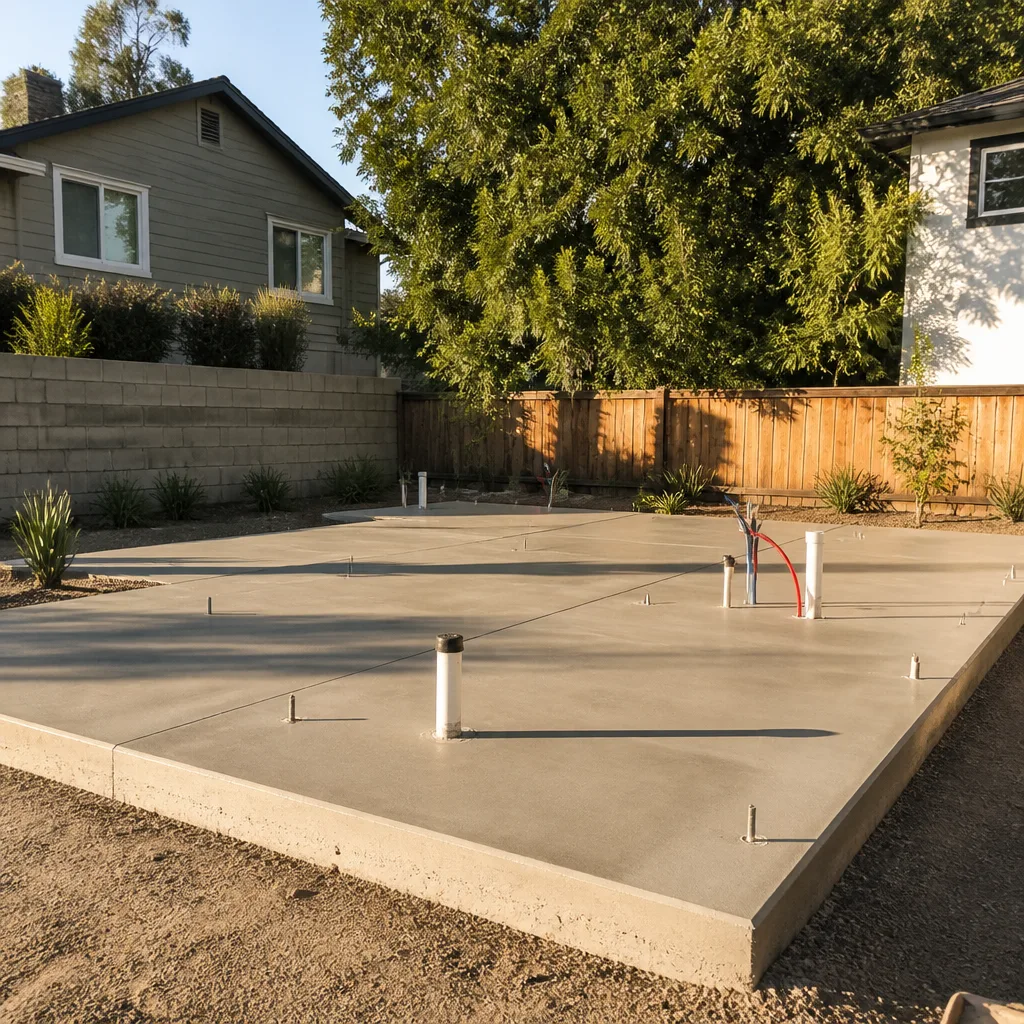
Site prep and utilities matter for every James Hardie exterior line, but the work changes depending on what you’re putting on the substrate. HardiePlank lap siding, HardiePanel vertical siding, HardieShingle, and HardieTrim all sit on the same foundation and drainage reality: the wall assembly, weep screed, flashings, and moisture management depend on the ground being graded correctly and the utilities being where they need to be. If you’re building an ADU with Hardie exterior cladding, the site prep scope includes pad grading, trenching for water and sewer lateral connections, electrical service routing, and stormwater dispersal. The compatibility gotcha most Orange County homeowners run into is this: older hillside lots in Fullerton, Yorba Linda, and Anaheim Hills often have soils that expand and shift with rain, which means the Hardie product isn’t the problem. The site under it is. We’ve fixed grade on enough of these to know the difference.
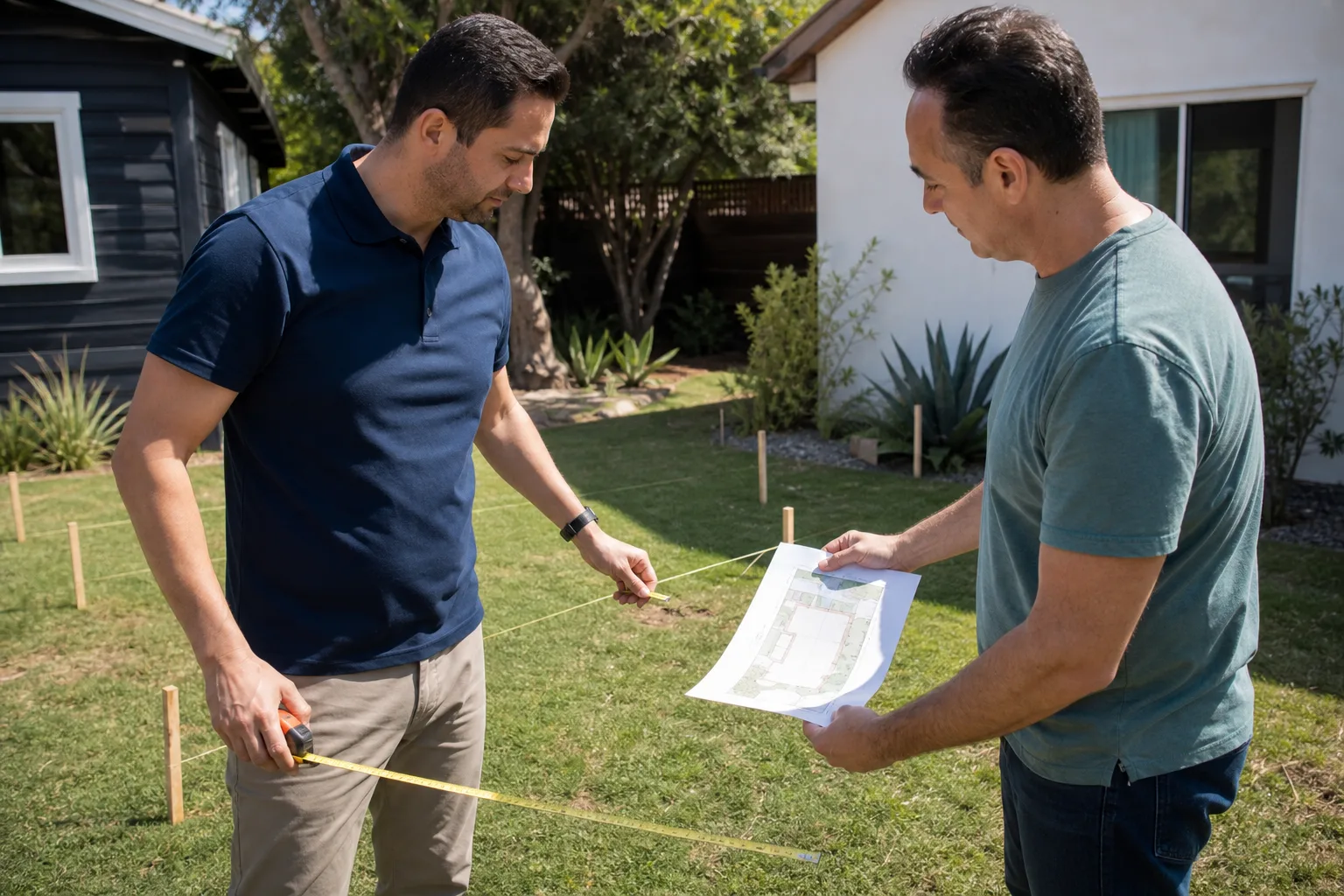
When it comes to identifying what your site needs, we look at three things: lot slope and soil type, existing utility stub locations, and the city’s stormwater requirements. The OEM-vs-aftermarket decision doesn’t apply much to site prep, since the “parts” are native soil, crushed aggregate base, schedule 40 PVC, and copper or PEX water lines. Where it does matter is in utility boxes, meter panels, and trench compaction: we source from suppliers we’ve used for years, not whatever’s cheapest at the supply house that week. If a part is load-bearing to your Hardie system’s warranty, we use the specified material.
Signs Your James Hardie Site Prep & Utilities Is Failing
- Water ponding against the foundation after rain. This means the grade has settled or was never sloped correctly. Hardie siding wicks moisture from the bottom edge, and standing water shortens the life of the product and invites rot behind the trim.
- Hairline cracks in the soil or hardscape near the home. In Orange County’s clay-heavy neighborhoods like Orange and Tustin, drought cycles shrink the soil away from footings. When it rains, the swell pushes back. That movement transfers into your wall system and can pop caulk joints on HardieTrim.
- Utility access panels sunk or tilted. A meter box or cleanout that’s no longer plumb usually means the trench beneath it was backfilled without proper compaction. That’s a site prep failure, and it will only get worse.
- Drainage channels or swales blocked by landscape changes. A homeowner plants a hedge, adds a raised bed, or pours a walkway pad without accounting for where water flows. It happens all the time in Costa Mesa and Huntington Beach, where flat lots need help moving water away from the structure.
- Your Hardie cladding is new but the bottom edge is already showing staining or swelling. Hardie holds up to weather, but not to constant ground contact or splash-back from hardscape less than 6 inches below the starter course. Fix the grade or add drainage before you redo the siding.
Replacement Cost & What’s Included
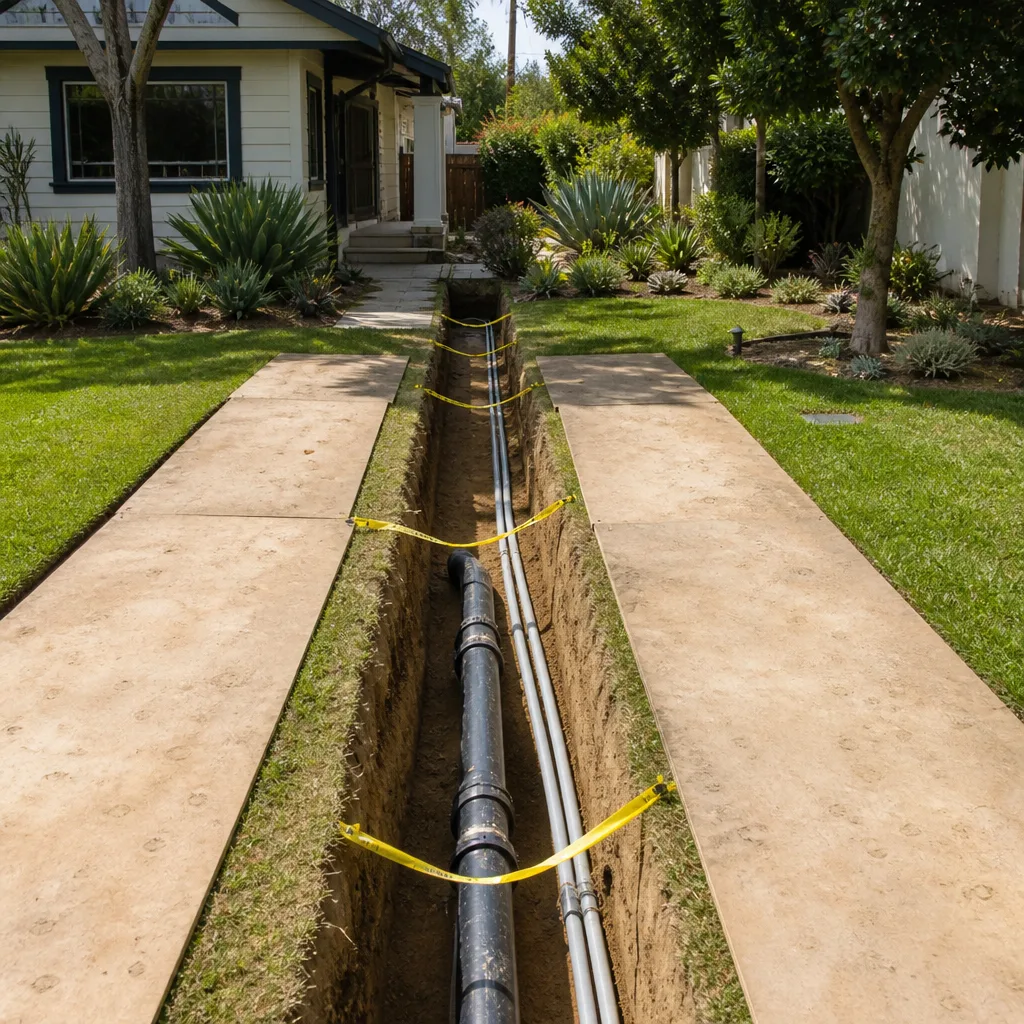
For a typical detached ADU or home addition in Orange County, site prep and utility rough-in runs $2,800 – $6,400 depending on trench length, soil conditions, and what the local utility agency requires for new service. Simple re-grades around an existing home usually cost $1,200 – $2,800. Deep trenching through rocky Santa Ana soil or replacing an old cast iron sewer lateral can push the upper end of the range. We give you a written line-item price before work starts, so the number on your estimate matches the number on the final invoice.
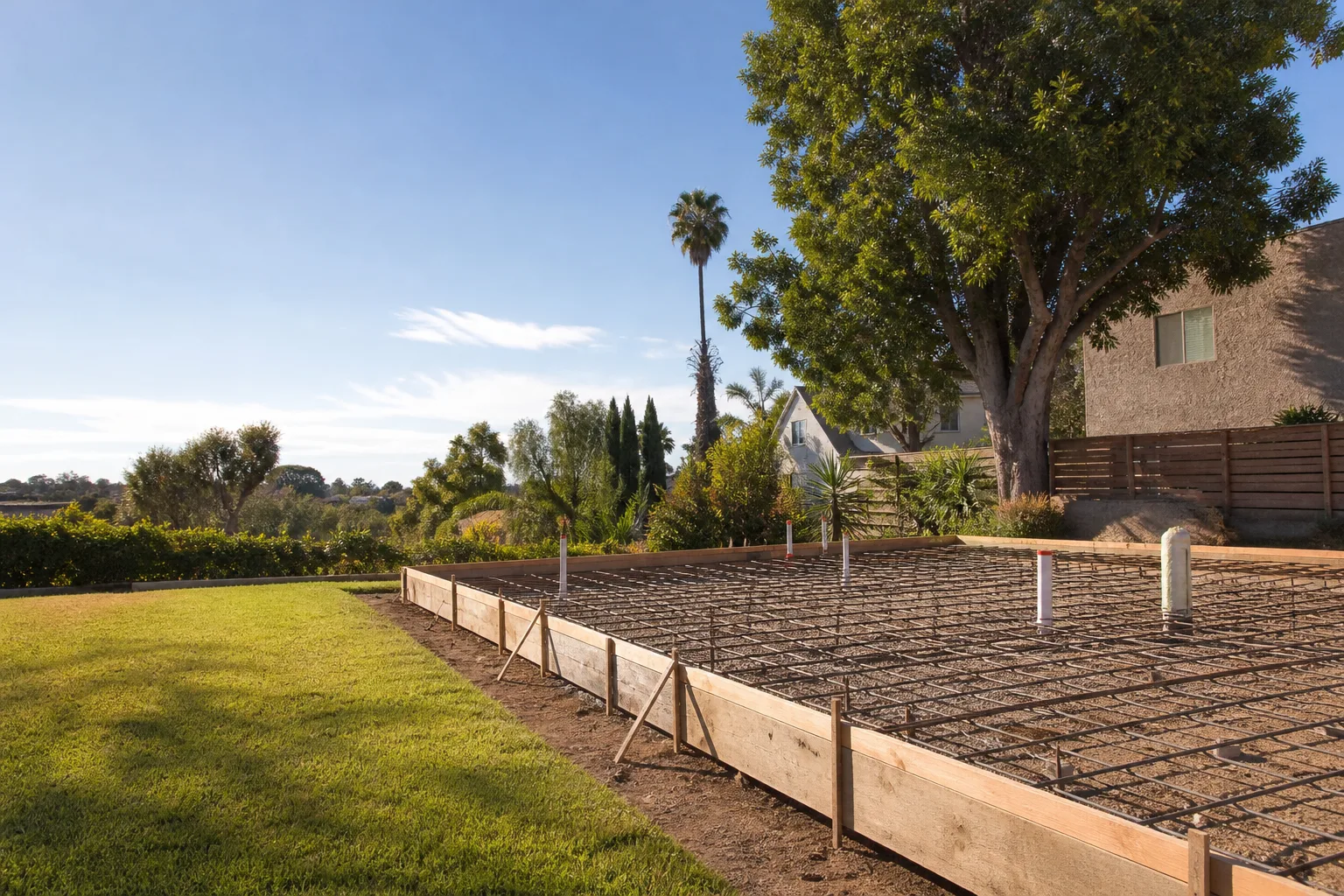
Here’s what a typical site prep scope includes for a Hardie-clad ADU:
- Lot grading and compaction to direct water away from the structure
- Trenching for water, sewer, and electrical service
- Utility lateral connections and backfill with clean aggregate
- Pad prep for the foundation
- Rough-in coordination with the utility providers
The 365-Day Done Right Promise covers our workmanship for one full calendar year from project completion. If the grade shifts, the trench settles, or anything we put in the ground fails, we’re back at no charge.
DIY or Call Us?
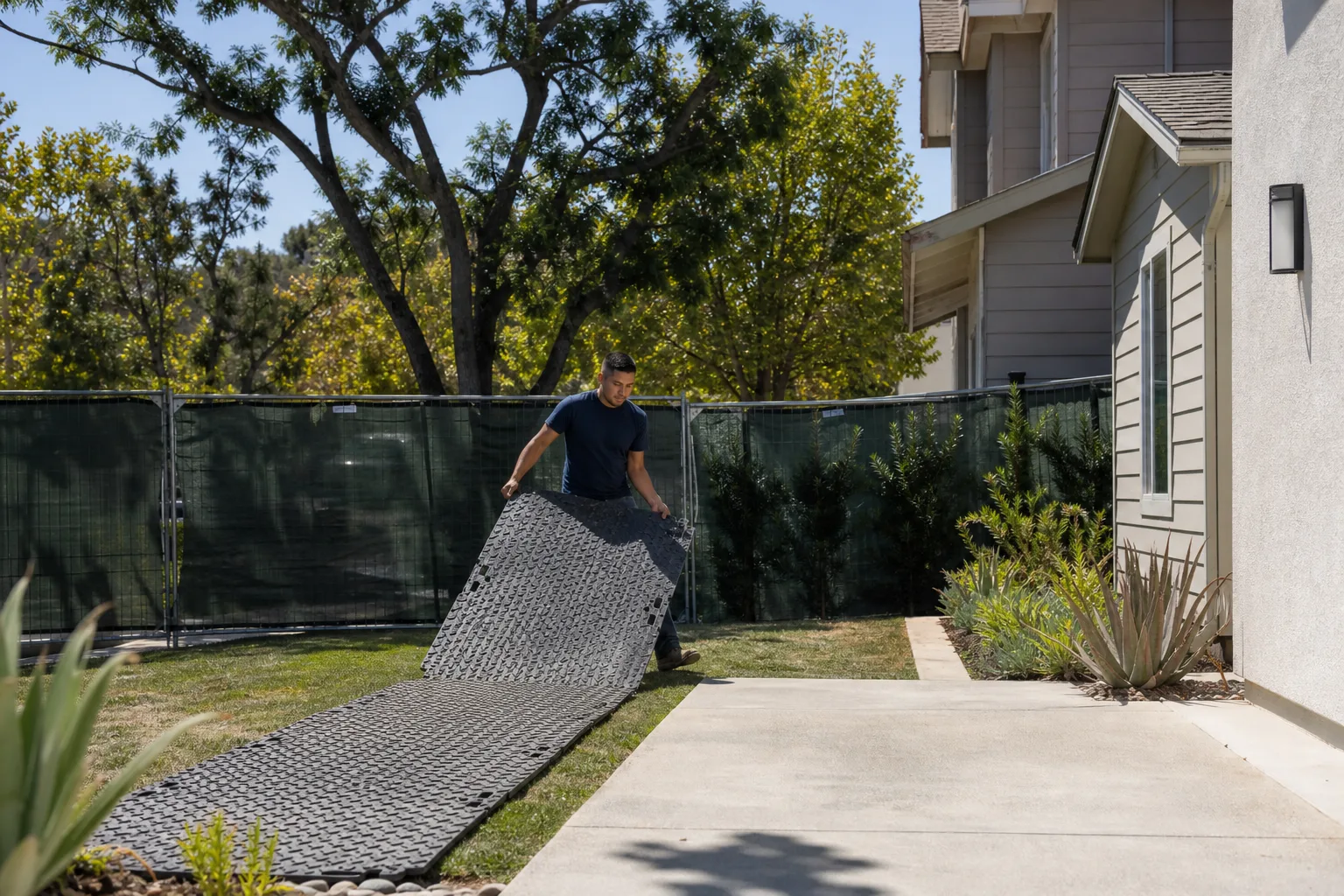
You can absolutely do the legwork: locate your existing utility stubs, note where water pools after a storm, and pull your lot survey if you still have it from escrow. Those details help us price the job faster and more accurately. What you shouldn’t do is attempt your own trenching without calling DigAlert first, and we don’t recommend moving significant soil yourself if you’re within 5 feet of a structure. Utility trenching and grade work have real hazards: existing gas and electrical lines, unstable trench walls, and the very real possibility of damaging a neighbor’s lateral. We handle all of that. Call us at (350) 209-9049 and we’ll walk the site with you and tell you exactly what the ground needs before the Hardie goes on.
FAQs
Properly compacted utility trenches and graded pads in Orange County should outlast the structure they serve, with the exception of stormwater features that may need cleaning every few years. The biggest variable is soil movement in the first two rainy seasons, which is why our 365-Day Done Right Promise covers that full calendar year of settlement after your project is complete.
Yes, in most cases. Isolated drainage issues can be corrected with re-grading, trench drains, or downspout extensions. Only rarely does a severe utility or compaction failure require a full trench re-excavation. Call (350) 209-9049 and we’ll tell you which one you’re dealing with.
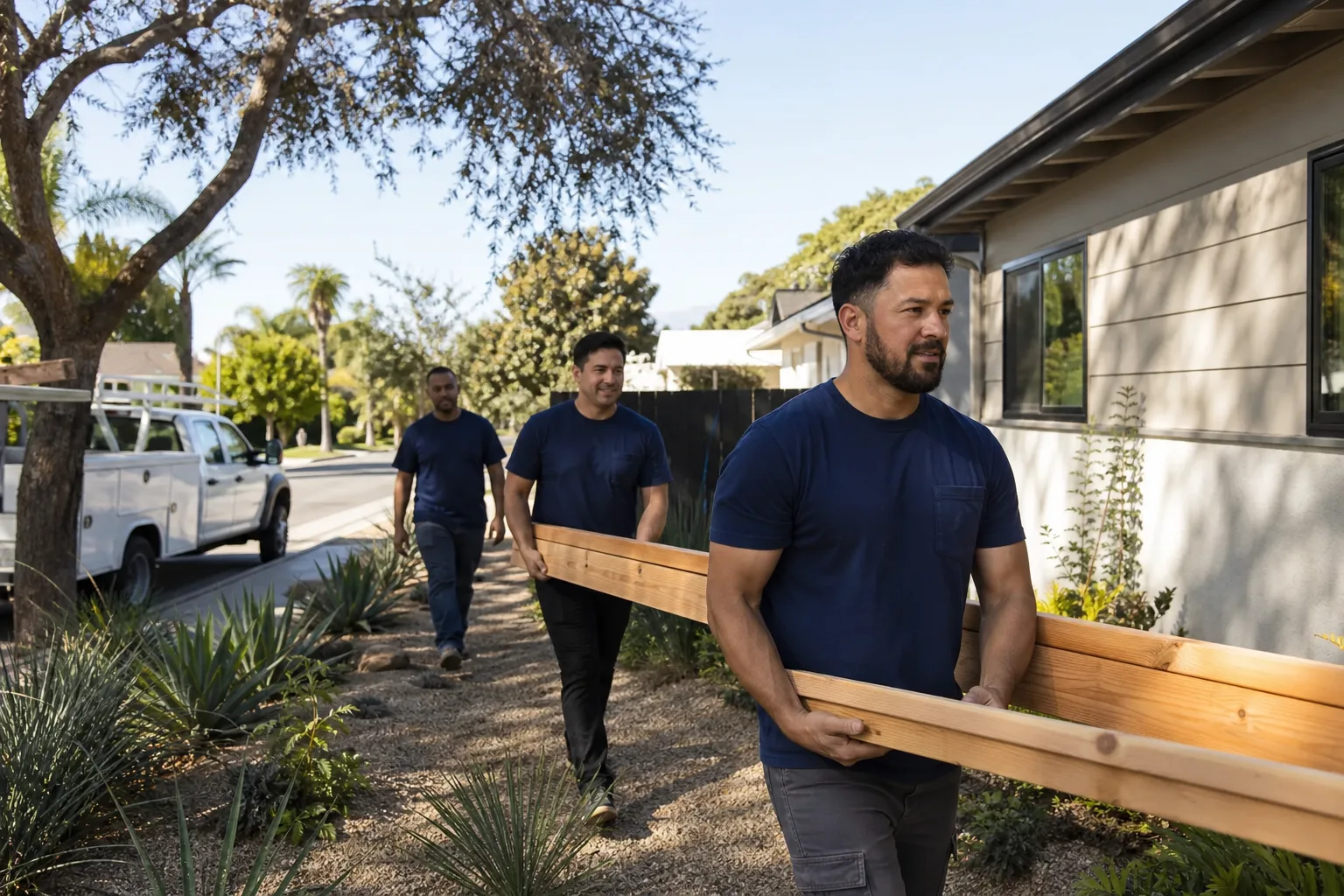
Most residential site prep and utility rough-ins take 3 to 7 working days, depending on trench length, soil type, and utility agency inspection timelines. We’ll give you a schedule window in writing so you’re not guessing when the Hardie can go up.
We keep common utility components, aggregate, and drainage materials stocked, and we special-order any project-specific items before the work begins. You’ll know what’s coming, and no one will disappear mid-job to chase a part.
Written by Miles Hartwell, Owner, Sutton ADU Orange County at Sutton ADU Orange County, serving Orange County and nearby areas.